Maintaining a clean home does not require constant chemical warfare against dirt and germs. With thoughtful product choices, smarter techniques, and occasional professional support, you can achieve a fresh, healthy living space while minimizing environmental impact. Green cleaning is less about perfection and more about consistent, intentional habits that add up.
Start with the products already under your sink. Many everyday items—white vinegar, baking soda, castile soap, hydrogen peroxide, and essential oils in moderation—handle a surprising range of tasks. Vinegar cuts grease and mineral deposits. Baking soda gently scours without scratching. A simple mix of water and plant-based dish soap works for most surfaces. These pantry staples cost little, store easily, and avoid the long ingredient lists found on commercial labels.
For tougher jobs, look for ready-made green cleaners that carry recognized certifications or clearly list plant-derived surfactants and biodegradable ingredients. Avoid anything heavily fragranced if anyone in the household has sensitivities. Even “natural” products can contain essential oils that irritate some people, so fragrance-free options are often the safest default.
Tools matter as much as products. Microfiber cloths and mop pads lift dirt with less water and fewer chemicals. Wash them regularly and they last for years. A good vacuum with a HEPA filter removes allergens instead of redistributing them. Steam mops sanitize hard floors using heat alone. Reusable spray bottles let you mix concentrates or DIY solutions and cut down on plastic waste.
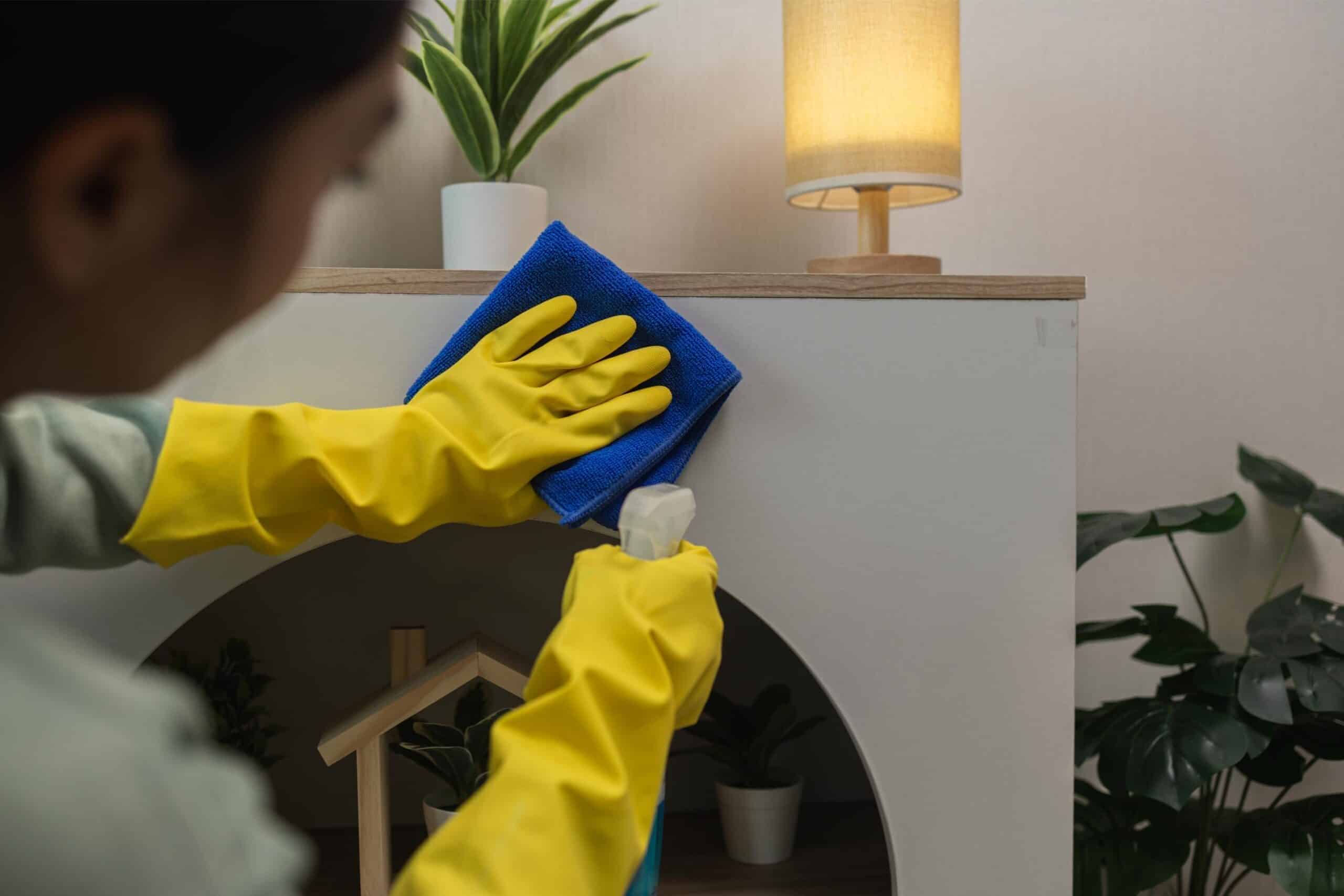
Kitchen and bathroom routines benefit most from green habits. Wipe counters daily with a damp microfiber cloth and mild soap solution. Clean the refrigerator with baking soda paste. For showers and sinks, a vinegar-based spray prevents soap scum buildup when used regularly. Toilet bowls respond well to baking soda and vinegar followed by a brush. Avoid pouring harsh drain cleaners; instead, maintain drains with hot water, baking soda, and vinegar flushes.
Floors and carpets deserve attention too. Sweep or vacuum frequently so dirt does not grind into surfaces. For hard floors, a damp microfiber mop with a small amount of plant-based cleaner is usually enough. Carpets benefit from regular vacuuming and occasional professional green extraction cleaning that uses less water and no residual chemicals.
Laundry is another high-impact area. Choose concentrated, plant-based detergents and wash in cold water whenever possible. Line-drying clothes reduces energy use and extends fabric life. Skip fabric softeners that coat fibers and can irritate skin; wool dryer balls or a splash of vinegar in the rinse cycle work well as alternatives.
Beyond the products, consider the bigger picture. Reduce clutter so cleaning becomes faster and more effective. Use doormats and a no-shoes policy to keep outdoor dirt outside. Fix leaks promptly to prevent mold and water damage. Improve ventilation by opening windows when weather allows or using exhaust fans. These steps lower the overall cleaning load and reduce the need for intensive interventions.
Professional green cleaning services complement these home efforts. A thorough seasonal deep clean using eco-friendly methods resets the space and handles areas that are hard to reach or time-consuming for busy households. Many families schedule regular maintenance visits so the home stays consistently fresh without the stress of doing everything themselves. Look for companies that use concentrated green products, train staff in low-water techniques, and can accommodate specific concerns such as allergies or pets.
Measuring success goes beyond appearance. Notice whether the air feels fresher, whether surfaces no longer leave a film, and whether anyone in the household experiences fewer irritation symptoms. Track how much packaging waste you generate and how often you need to restock cleaners. Over time these indicators show the real return on a greener approach.
Green cleaning also supports broader environmental goals. Less chemical runoff reaches waterways. Reduced packaging and concentrated formulas lower transportation emissions. Longer-lasting tools mean fewer items end up in landfills. When enough households adopt these practices, the collective impact becomes meaningful.
The key is consistency rather than intensity. Small daily actions—wiping spills promptly, using the right tool for the job, choosing safer products—prevent the need for aggressive deep cleans later. Combined with occasional professional support that shares the same values, this approach keeps homes genuinely clean while aligning with a lighter footprint on the planet. Clean and green can, and should, go hand in hand.