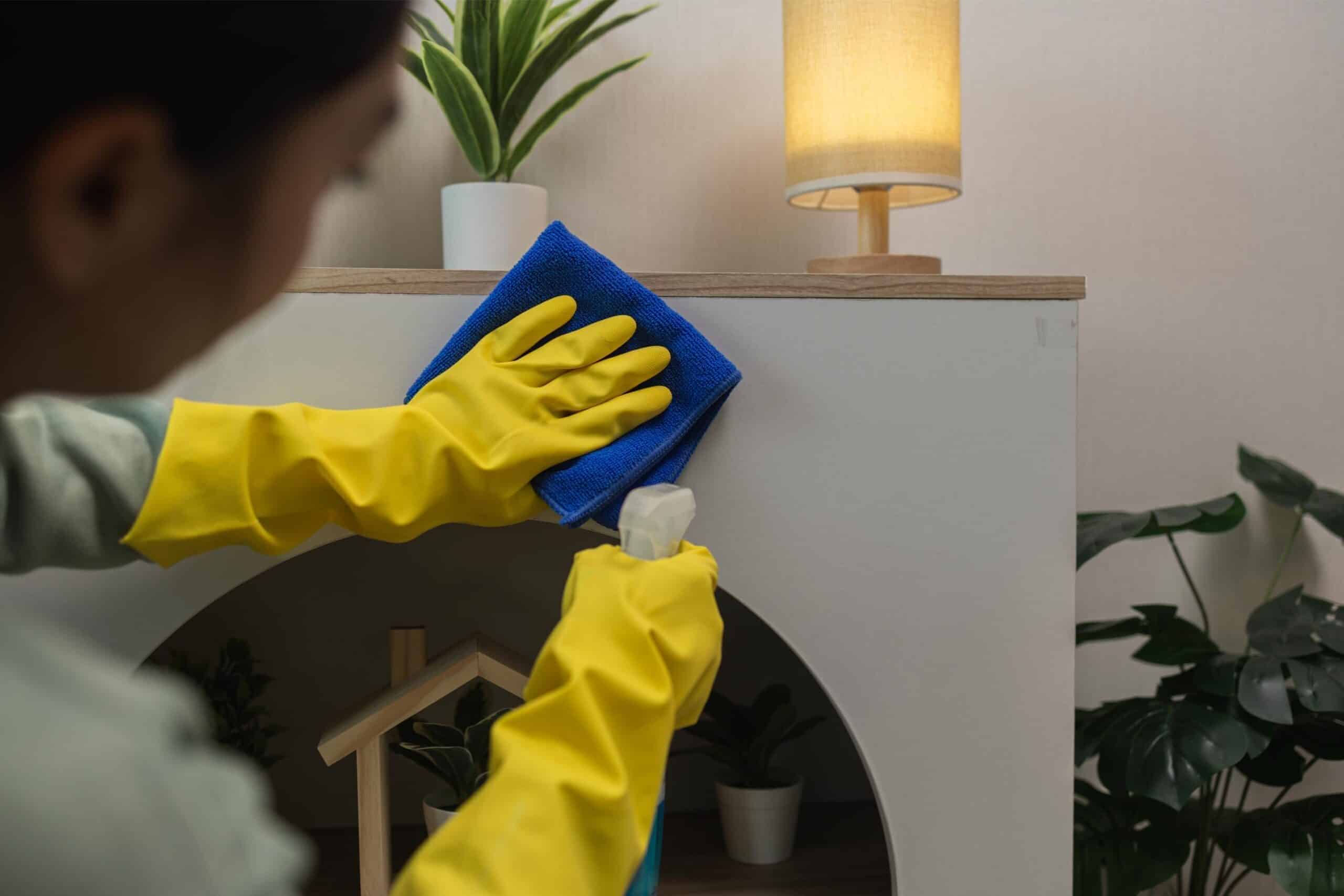
Commercial spaces face unique cleaning demands: high foot traffic, diverse surface materials, strict hygiene expectations, and the need to maintain a professional image. Traditional cleaning programs often rely on strong chemical products that deliver quick visual results but carry hidden costs—employee complaints about odors or irritation, potential surface damage over time, and growing scrutiny from environmentally conscious clients and regulators. Green cleaning addresses these challenges with methods that are effective, healthier, and better aligned with modern sustainability goals.
Indoor air quality ranks among the most immediate benefits. Office workers, retail staff, and customers spend long hours in enclosed environments. Conventional cleaners release VOCs and leave residual chemicals that contribute to that “just cleaned” chemical smell many people find unpleasant or even triggering. Green products formulated from plant-based ingredients and free of harsh solvents produce far less airborne contamination. Facilities that switch often report fewer complaints about headaches, eye irritation, and respiratory discomfort.
Surface longevity is another practical advantage. Aggressive solvents and abrasives can dull finishes, strip protective coatings, and accelerate wear on flooring, desks, and fixtures. Green cleaners paired with proper techniques—microfiber, appropriate dwell times, and mechanical action rather than chemical force—clean thoroughly while preserving materials. Over years this can translate into lower replacement and refinishing costs.
Water and energy use matter at commercial scale. Concentrated green formulas require less product and less packaging. Low-moisture methods and efficient equipment reduce water consumption. Some green programs incorporate steam or dry cleaning technologies that further cut resource use. These efficiencies support corporate sustainability reporting and can contribute to green building certifications where applicable.
Employee and customer perception has real business value. Staff notice when the workplace feels fresher and less chemically laden. Clients and visitors increasingly pay attention to a company’s environmental practices. Visible commitment to green cleaning—through signage, website statements, or simply the absence of harsh smells—reinforces a professional and responsible image. In competitive markets this can become a quiet differentiator.
Implementation works best with clear communication and training. A reputable green cleaning provider will conduct a site assessment, identify high-traffic and sensitive areas, and recommend a tailored product and equipment list. Staff should understand the proper dilution ratios, contact times, and techniques so results remain consistent. Many providers offer ongoing education and quality checks to maintain standards.
Cost considerations deserve honest discussion. While some green products carry a higher unit price, the overall program cost often balances out through lower usage rates, reduced absenteeism related to indoor air issues, longer surface life, and less waste disposal. Facilities that track total cost of ownership rather than simple product price usually find the green approach competitive or advantageous.
Specific industries see particular gains. Healthcare and education settings prioritize non-toxic options to protect vulnerable populations. Hospitality benefits from cleaner-smelling rooms and public areas that enhance guest experience. Office buildings and retail spaces gain from improved occupant comfort and alignment with tenant or brand sustainability expectations. Food service and other regulated environments can meet hygiene standards with approved green disinfectants that still support broader environmental goals.
Measuring success involves both qualitative and quantitative indicators. Track indoor air quality complaints, product consumption, water use, and waste generation. Solicit feedback from occupants. Monitor surface condition over time. Many organizations also incorporate cleaning program details into their environmental, social, and governance reporting.
Transitioning does not require an all-or-nothing leap. Some facilities begin with high-visibility areas or specific product categories and expand as confidence grows. Others switch fully with the support of an experienced provider who already has proven systems in place. Either path works when the underlying commitment to effectiveness and responsibility remains clear.
Green commercial cleaning is no longer niche. It has matured into a reliable, scalable approach that meets rigorous cleanliness standards while reducing chemical load, conserving resources, and supporting healthier indoor environments. For businesses that value both operational excellence and environmental responsibility, it represents a practical upgrade with lasting returns. Cleaner spaces, healthier occupants, and a lighter environmental footprint are outcomes that reinforce one another—and that modern organizations increasingly expect as standard practice.